How to Set Up Hummingbird Feeders That Actually Work
This article may contain affiliate links. If you make a purchase through these links, we may earn a small commission at no extra cost to you. This helps us keep creating free content.

The Promise and the Problem
You bought a hummingbird feeder, filled it with red liquid from the store, hung it on the porch, and waited. A week later, nothing. Two weeks, still nothing. The feeder sits there gathering ants and growing cloudy while your neighbor three houses down has hummingbirds zipping around constantly. What gives?
The truth is that hummingbird feeders are deceptively simple devices with several easy-to-miss details that determine whether they attract birds or collect dust. The good news is that once you get those details right, hummingbirds are remarkably loyal visitors. Many people find that a properly maintained feeder becomes the single most rewarding piece of birding equipment they own.
The Only Nectar Recipe You Need
Aspects HummZinger HighView 12 oz Hummingbird Feeder, Red
Hanging saucer feeder for hummingbirds in the 12 ounce size.
See on Amazon →Mix one part plain white granulated sugar with four parts water. That is it. No red dye, no honey, no organic sugar, no artificial sweetener, no added vitamins. Just white sugar and water in a one-to-four ratio. This concentration closely matches the sucrose content of the natural flower nectar hummingbirds feed on, and decades of research have confirmed it is the safest and most attractive option.
You do not need to boil the water, though a brief boil helps dissolve the sugar faster and may slow fermentation slightly. If you use tap water that is safe to drink, it is safe for hummingbirds. Let the solution cool completely before filling the feeder.
Choosing the Right Feeder
Hummingbird feeders come in two basic designs: bottle-style inverted reservoirs and saucer-style shallow dishes. Both work, but saucer feeders have significant practical advantages for most people.

Saucer feeders are easier to clean because they come apart fully and have no narrow tubes or internal crevices where mold hides. They drip less because the nectar sits below the feeding ports rather than above them under gravity pressure. They are also less attractive to bees and wasps because the nectar level sits farther from the ports. If you are buying your first feeder, start with a saucer design with a capacity of 8 to 12 ounces.
Avoid feeders with elaborate decorations, tiny parts, or designs that cannot be fully disassembled for cleaning. A feeder you cannot clean thoroughly is a feeder that will grow dangerous mold. Function beats aesthetics every time when it comes to hummingbird feeders.
Where to Hang Your Feeder
Placement matters more than most people realize. Hummingbirds need to find the feeder first, then feel safe enough to use it regularly. Here is how to think about location.
Start with visibility. Hang the feeder where it is easy for passing hummingbirds to spot. Near flowers is ideal, especially red, orange, or pink tubular flowers that hummingbirds already visit. If you have no flowers, hang the feeder in a semi-open spot where it catches morning light. Avoid hiding it deep under an overhang or inside dense foliage where birds flying past cannot see it.
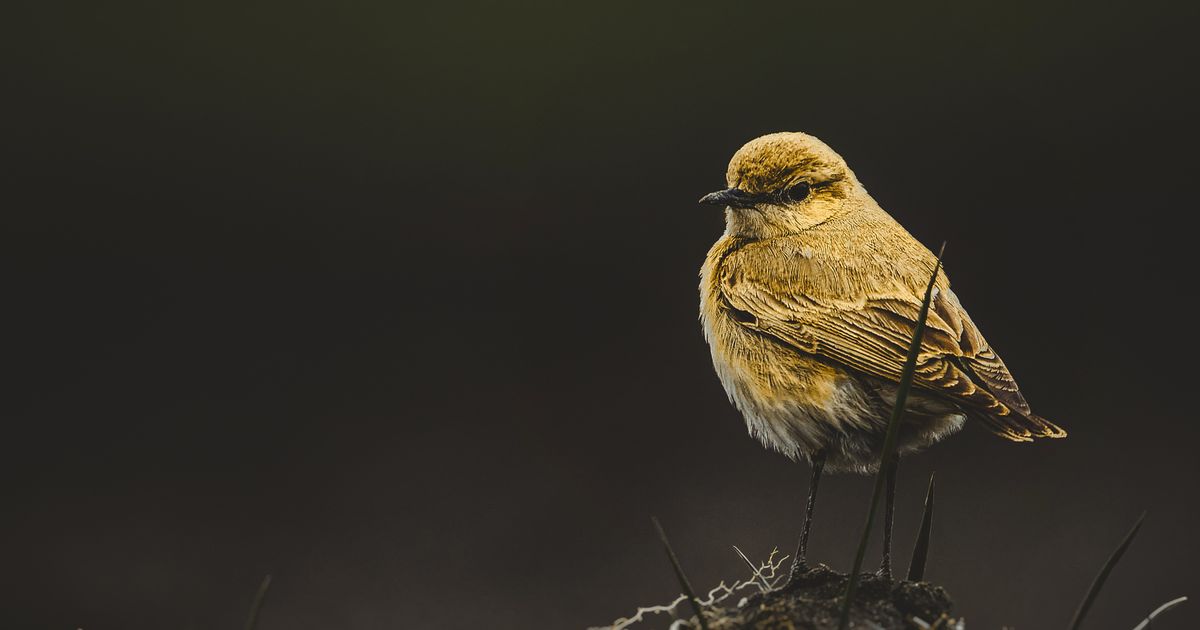
Next, think about shelter. Hummingbirds prefer a feeder with a nearby perching spot where they can rest between feeding bouts and watch for threats. A feeder within 10 to 15 feet of a tree or large shrub gives them a lookout post. They also prefer some shade during the hottest part of the day, both for their own comfort and because shade keeps the nectar from fermenting as quickly.
Finally, consider your own viewing angle. Half the joy of hummingbird feeders is watching the birds. Hang the feeder where you can see it from a window, porch, or favorite sitting spot. A feeder you can see from your kitchen window gets monitored naturally, which means you notice when it needs refilling or cleaning.
Height and Mounting
Hang feeders at least four feet off the ground to discourage cats and other predators. Five to six feet is comfortable for most people to reach for cleaning and refilling. Window-mounted feeders with suction cups work wonderfully and give you point-blank views of feeding birds. Hummingbirds adapt to close human presence surprisingly quickly and will feed within inches of your face through a window.
The Cleaning Schedule That Keeps Birds Safe
This is where most feeder operators fail, and it is the most important section of this entire guide. Nectar ferments. In warm weather, sugar water begins growing bacteria and mold within one to two days. Cloudy nectar is spoiled nectar. Black spots inside the feeder are mold colonies. Both can sicken and kill hummingbirds.

In temperatures above 80 degrees Fahrenheit, change the nectar every one to two days. Between 70 and 80 degrees, every three to four days. Below 70 degrees, every five to six days. When in doubt, change it. Fresh nectar costs almost nothing. A sick hummingbird costs everything.
When you change the nectar, rinse the feeder thoroughly with hot water. Use a bottle brush to scrub inside the reservoir and a small pipe cleaner or dedicated feeder brush for the ports. Once a week, soak the disassembled feeder in a solution of one part white vinegar to four parts water for an hour, then scrub and rinse until no vinegar smell remains. Never use soap, as residue can harm birds.
Dealing With Ants, Bees, and Wasps
Ants are the most common nuisance. They find the feeder, form a trail, and drown in the nectar by the hundreds. An ant moat solves this completely. It is a small cup that hangs between the hook and the feeder, filled with water. Ants cannot cross the water barrier. Many feeders include a built-in moat. If yours does not, inexpensive add-on moats are widely available. Keep the moat filled with plain water and it will work indefinitely.
Bees and wasps are trickier. Saucer-style feeders help because the nectar sits lower, out of reach of short insect tongues. Feeders with bee guards, small mesh screens over the ports, reduce access further. Avoid yellow-colored feeders or yellow flower accents, as yellow attracts bees. If wasps become a serious problem, try moving the feeder even a few feet. Wasps navigate to a memorized location, and a short move confuses them while hummingbirds adapt instantly.
When to Put Feeders Up and Take Them Down
Put feeders out one to two weeks before hummingbirds typically arrive in your area. Early migrants are hungry and searching hard for food sources. Being the first feeder on the block gives you loyal customers for the entire season. In most of the eastern United States, this means feeders go up in mid to late March. In the northern states and Canada, late April to early May. Western timing varies widely by elevation and latitude.
Leave feeders up for at least two weeks after you see your last hummingbird in fall. Late migrants and stragglers depend on available food sources, and your feeder will not prevent birds from migrating. That is a myth. Hummingbirds migrate based on day length and hormonal triggers, not food availability. Your feeder helps them, it does not trap them. Track arrival and departure dates in your area with our Migration Tracker to time your feeder schedule perfectly.
Troubleshooting an Empty Feeder
If your feeder has been up for three weeks with no visitors, work through this checklist. Is the nectar fresh and clear? Is the feeder clean with no mold? Is it visible from the air, not hidden under a roof or dense canopy? Is there a red element on or near the feeder? Are there flowers or other nectar sources nearby that might help hummingbirds discover the area?
Sometimes the answer is simply patience. If hummingbirds are not established in your immediate area, it may take them time to discover a new food source. Planting native tubular flowers like bee balm, cardinal flower, trumpet vine, or columbine near the feeder creates a visible signal that draws passing hummingbirds in for a closer look. Once they find the feeder, they remember it and return.
You are offering a genuine service to these tiny, high-metabolism birds. A well-maintained feeder can be the difference between a hummingbird making it through a cold snap or a long migration leg and not making it. That responsibility is part of what makes feeding hummingbirds so rewarding.
Published by the Birdwatching Advice editorial team. Published August 20, 2026. Updated September 12, 2026.
Editorial responsibility: see Imprint.
Spotted an error or have something to add? corrections@birdwatchingadvice.com
Spot More Birds
Weekly birding tips, migration alerts, and identification guides straight to your inbox.
🎁 Free bonus: Backyard Birding Checklist (PDF)
You might also like

The Only Hummingbird Nectar Recipe You Will Ever Need (Plus What to Avoid)
7 Hummingbird Feeder Mistakes That Drive Them Away

3 Layers Every Bird-Friendly Yard Needs (and Most Are Missing One)
Feeders are great, but birds need more than sunflower seeds. Discover how layering ground cover, shrubs, and canopy trees transforms a basic yard into a bird magnet.
Explore more
All articles on Birdwatching Advice →