Understanding Bird Molt: Why Your Favorite Birds Change Their Feathers
This article may contain affiliate links. If you make a purchase through these links, we may earn a small commission at no extra cost to you. This helps us keep creating free content.

The Hidden Process Behind Every Feather
Every bird you see is either molting, about to molt, or has recently finished molting. Molt is the systematic replacement of old, worn feathers with new ones, and it is one of the most important biological processes in a bird's life. Yet most birders barely think about it. We focus on plumage as if it were a fixed thing, like a painted illustration in a field guide. In reality, plumage is constantly changing, and understanding how and when it changes makes you a sharper observer and a more confident identifier.
Plenty of birds do not match any picture in a field guide. A goldfinch that is half yellow and half olive. A Scarlet Tanager with patches of green mixed into the red. A gull with a strange combination of adult and juvenile feathers. Once you learn the basics of molt, all of these birds suddenly make sense. They are not oddities. They are perfectly normal birds caught in the middle of a perfectly normal process.
Why Birds Molt
Feathers are made of keratin, the same protein in your fingernails. Like fingernails, feathers cannot repair themselves once damaged. Sun, rain, wind, abrasion against branches and nest material, and the constant physical demands of flight gradually degrade every feather on a bird's body. A feather that was crisp and functional in September is frayed and dull by the following July. At some point, the feather becomes so worn that it compromises flight efficiency, insulation, or waterproofing. The only solution is to grow a new one.
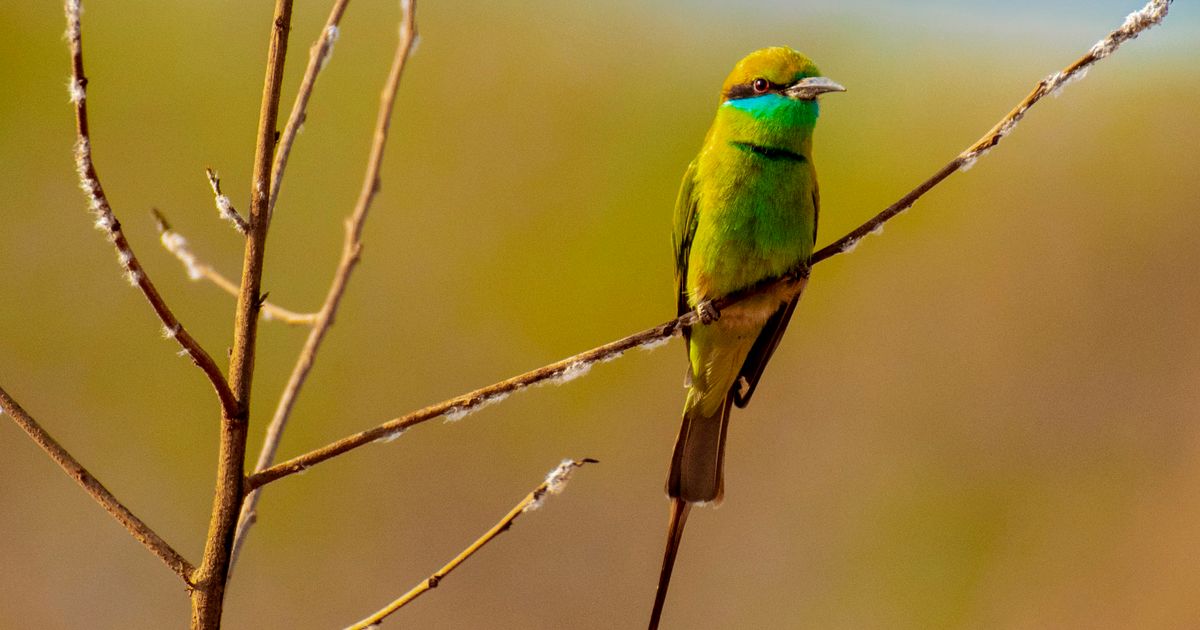
Molt also serves a second purpose: changing appearance. Many species use molt to switch between a bright breeding plumage that attracts mates and a dull non-breeding plumage that provides better camouflage during the months when they are not trying to impress anyone. The American Goldfinch is the classic example, transforming from brilliant yellow in summer to muted olive-brown in winter.
The Basic Molt Strategies
Not all birds molt the same way, but most follow one of a few predictable strategies. Understanding these strategies helps you predict what any bird should look like at any time of year.
The Simple Basic Strategy is the most common pattern. Birds following this strategy molt all their feathers once per year, usually after the breeding season ends. This single complete molt replaces every feather on the body, wings, and tail. Most songbirds, raptors, and waterbirds use this strategy. After the molt is complete, the bird wears this fresh set of feathers for the entire year until the next molt.

The Complex Basic Strategy adds a second partial molt before the breeding season. After the post-breeding complete molt, these birds undergo a limited pre-breeding molt that replaces some body feathers and sometimes a few wing or tail feathers. This pre-breeding molt is what gives many species their bright spring plumage. Warblers, tanagers, buntings, and many other songbirds follow this pattern.
The Complex Alternate Strategy involves two extensive molts per year. Some shorebirds and gulls follow this pattern, which is why these groups can look dramatically different between summer and winter and why they are so challenging to identify during transitional periods.
Molt and Identification: Practical Applications
Here is where molt knowledge directly improves your birding. When you encounter a bird that looks strange or does not match any single illustration in your guide, ask yourself whether it could be mid-molt. Nine times out of ten, the answer is yes.
In late summer, you might see a male Scarlet Tanager that is blotchy red and green. This bird is undergoing its post-breeding molt, replacing its red breeding feathers with the olive-green feathers of its non-breeding plumage. The patchwork appearance is completely normal and temporary. Similarly, male Indigo Buntings in August often look like a mosaic of blue and brown as the brilliant breeding feathers give way to drab winter plumage.

Goldfinches are perhaps the most visible molters. In spring, both sexes undergo a pre-breeding molt that brings males into their vivid yellow and black plumage. In fall, the post-breeding molt replaces those bright feathers with the muted olive and buff tones of winter. During the transition periods in spring and fall, you see every intermediate stage, and each one looks slightly different.
Aging Birds by Molt
One of the most powerful applications of molt knowledge is aging birds. In many species, first-year birds follow a different molt schedule than adults, and the resulting differences in feather wear and pattern are visible in the field.
A classic example is the distinction between adult and first-year gulls. A first-year Herring Gull is entirely brown and takes four years of successive molts to reach full adult plumage with a clean gray back and white head. Each intermediate year shows a different combination of juvenile and adult feathers. This is why gulls at a beach seem to come in infinite varieties: you are seeing birds of the same species at different stages of their multi-year molt progression.
In songbirds, first-fall birds often retain their juvenile wing and tail feathers while replacing body feathers in their first pre-basic molt. The contrast between fresh, new body feathers and worn, older flight feathers can be visible in the hand during banding and sometimes in the field with a close view. This molt limit, the boundary between replaced and retained feathers, is a key aging tool for researchers and advanced birders.

Molt Timing Through the Year
Knowing when molt happens helps you anticipate what birds will look like during each season. Here is a general timeline for most North American songbirds.
January through March, most birds are in fresh non-breeding plumage. Feathers are relatively new and show their brightest non-breeding colors. Late winter is when some species begin their pre-breeding molt, gradually acquiring brighter feathers on the head, throat, and breast.
April through June is breeding season. Birds are in their most distinctive plumage, and field guide illustrations typically show this appearance. Feathers gradually wear and fade through the season as sun and abrasion take their toll.
July through September is peak molt season. Most birds undergo their complete post-breeding molt during this window. This is when you encounter the most confusing-looking birds: half-molted individuals with patchy plumage, ragged wing feathers, and combinations of old and new feathers that match no single illustration. Many birds become secretive during molt because damaged flight feathers reduce their maneuverability, making them more vulnerable to predators.
October through December, most molts are complete and birds wear their fresh non-breeding plumage. Colors are clean and patterns are crisp, though typically duller than breeding plumage.
Watching Molt in Your Own Yard
One of the best ways to learn about molt is to watch it happen at your bird feeder. Cardinals, goldfinches, and House Finches are particularly easy to observe because they visit feeders daily and their plumage changes are dramatic. Start paying attention in July when many species begin their post-breeding molt. Photograph the same species every week and compare the images over time. You will see the progression from worn breeding plumage through the patchy mid-molt stage to fresh non-breeding plumage.
Blue Jays dropping feathers around a feeding station in August is a common sight. Northern Cardinals in September often look scruffy, with missing head feathers that reveal dark skin underneath, giving them a temporarily bald appearance that alarms people who think the bird is sick. It is perfectly normal and resolves in a few weeks as new feathers grow in.
Understanding molt turns confusing observations into predictable, fascinating biology. It connects what you see to the deeper rhythms of avian life and makes every season's birds a little more comprehensible. Follow the seasonal shifts in your area with our Migration Tracker and pair that timing knowledge with molt awareness for a richer birding experience year-round.
Published by the Birdwatching Advice editorial team. Published October 19, 2026.
Editorial responsibility: see Imprint.
Spotted an error or have something to add? corrections@birdwatchingadvice.com
Spot More Birds
Weekly birding tips, migration alerts, and identification guides straight to your inbox.
🎁 Free bonus: Backyard Birding Checklist (PDF)
You might also like

Explore more
All articles on Birdwatching Advice →