Your First Dawn Chorus: What to Listen for and Why It Matters
This article may contain affiliate links. If you make a purchase through these links, we may earn a small commission at no extra cost to you. This helps us keep creating free content.

The Most Beautiful Sound You Have Been Sleeping Through
Somewhere around 4:30 in the morning on a late spring day, while you are deep asleep, something extraordinary happens outside your window. One bird starts singing in the darkness. Then another joins. Then another, and another, until the air fills with dozens of overlapping songs from every direction. This is the dawn chorus, and it is one of the most intense and beautiful natural phenomena you can experience without traveling anywhere at all.
The dawn chorus peaks in late April through June across most of North America, when breeding songbirds are singing at their loudest and most persistent. It happens every single morning, whether anyone listens or not. But when you do listen, really listen, it transforms the way you experience birds for the rest of your life.
Why Birds Sing at Dawn
The Sibley Guide to Birds
Comprehensive North American field guide for identifying birds.
As an Amazon Associate we earn from qualifying purchases.
The obvious question is why do birds concentrate their singing in the predawn hours? Several factors come together. Cool morning air carries sound farther and with less distortion than warm afternoon air. Low wind at dawn reduces background noise. Low light makes foraging inefficient, so birds have little else to do. And the dawn chorus serves as a daily roll call: males announce that they survived the night, they still hold their territory, and they are fit enough to sing loudly for an extended period.
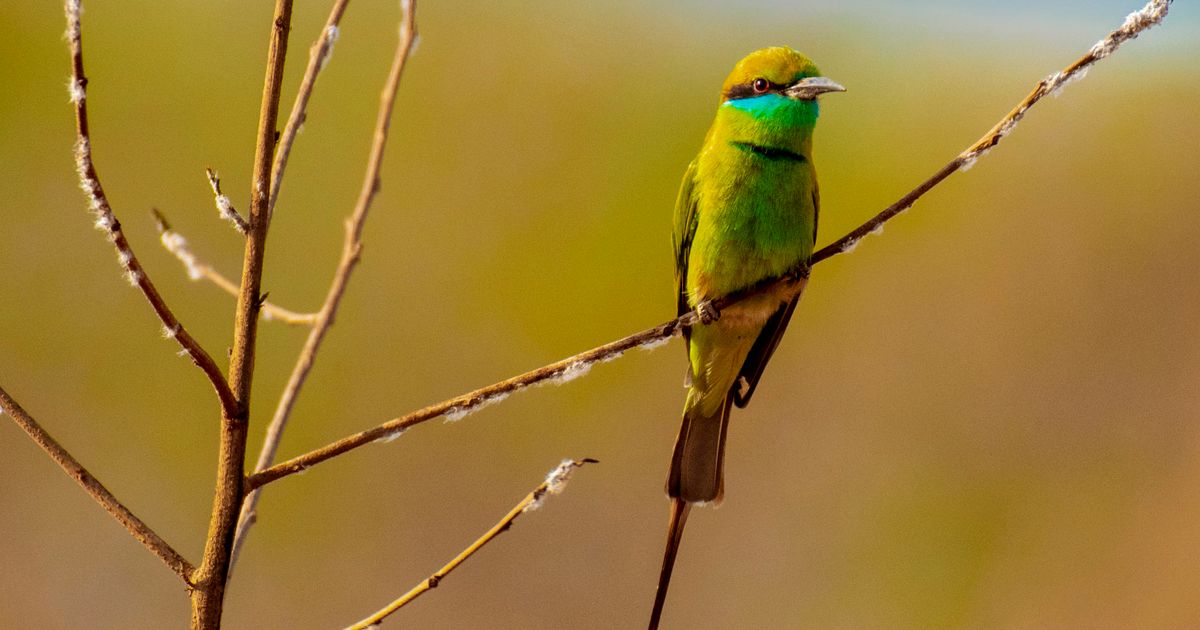
The energy cost of sustained singing is significant. A male songbird pouring everything into his dawn performance is making a genuine statement about his health and vigor. Females listen and evaluate. Neighboring males listen and decide whether to challenge or respect the boundary. Every morning, the territorial map of the neighborhood gets redrawn through song.
How to Experience Your First Dawn Chorus
You need three things: an alarm clock, a comfortable spot, and patience. Set your alarm for 30 to 40 minutes before sunrise. Check the sunrise time for your location the night before so you get the timing right. Dress warmly because predawn temperatures can be surprisingly cool even in late spring.
Go to a place with varied habitat and minimal traffic noise. A park with both open areas and trees works well. Your own backyard is perfectly fine if it has some trees and shrubs. The edge of a forest is ideal. Sit somewhere comfortable, stay still, and just listen. Do not try to identify everything at first. Just absorb the experience. Let the sound wash over you.
Bring a thermos of coffee or tea. This is not a hardship, it is a concert. You are the audience, and you have the best seat in the house.

What You Will Hear First
The American Robin is usually the first singer in most of eastern and central North America. Its song is a cheerful, caroling series of phrases that rises and falls. You probably already know this sound even if you have never tried to identify it. Robins start singing when it is still genuinely dark, sometimes 40 minutes before the sun breaks the horizon.
Shortly after the robin, listen for the Song Sparrow. Its song starts with two or three clear, repeated notes followed by a buzzy trill: sweet sweet sweet, followed by a jumble. Song Sparrows sing from exposed perches on shrubs and fence posts, and they are common almost everywhere.
The Northern Cardinal comes next in many areas. Its loud, whistled song is a series of slurred notes that sound like birdy birdy birdy or cheer cheer cheer. Cardinals are bold singers and often continue well into the morning after other birds have quieted down.
Building Your Song Vocabulary
Trying to learn every birdsong at once is overwhelming and counterproductive. Instead, use a layering approach. Pick two or three common species in your area and learn their songs thoroughly before adding more. The robin, song sparrow, and cardinal make an excellent starter set for most of eastern North America. In the west, substitute the robin with a Black-headed Grosbeak and the cardinal with a Spotted Towhee.

Listen to recordings, then go outside and try to match what you hear to what you learned. The gap between recordings and real-world sounds is significant at first. Birds sing with variation, and the acoustics of your specific location affect how songs travel. A song heard across an open field sounds different from the same song heard through dense forest. Your ear needs real-world calibration that only comes from practice.
Mnemonics That Stick
Birders have developed word phrases that mimic the rhythm and pattern of common songs. The Black-capped Chickadee sings a clear, two-note hey sweetie. The White-throated Sparrow whistles oh sweet Canada Canada Canada. The Barred Owl calls who cooks for you, who cooks for you all. The Ovenbird shouts teacher teacher teacher with increasing emphasis.
These mnemonics are imperfect but incredibly useful as memory anchors. Once you associate a phrase with a song, your brain locks it in far more reliably than trying to remember a description of pitch and rhythm. Create your own mnemonics if the standard ones do not work for you. Whatever phrase your brain connects to the sound is the right mnemonic.
The Chorus Through the Seasons
The dawn chorus changes character throughout the year. In early spring, the first singers are resident species that overwinter in your area: cardinals, chickadees, titmice, and Carolina Wrens. As April progresses, migrant species arrive and add their voices. By mid-May the chorus reaches peak complexity and volume, with resident and migrant breeding birds all singing simultaneously.
June marks the beginning of the decline. Some species stop singing after their eggs hatch because the need to advertise territory decreases once nesting is underway. By late July, the dawn chorus is noticeably thinner. August mornings may have only scattered singing from late nesters and young birds practicing. By September, the concert season is essentially over until the following spring.
This seasonal arc means the best time for your first dawn chorus experience is mid-May through mid-June, when diversity and intensity are at their peak. Track which migrant species have arrived in your area with our Migration Tracker so you know who should be singing.
Beyond Identification: Listening for Meaning
Once you can name a few singers, you start hearing something deeper. That robin singing from the top of the oak is not just making noise. He is broadcasting his presence to a rival male two yards over who is singing just as loudly from a maple. If you listen carefully, you can hear them matching and countering each other, adjusting their song types in a vocal chess match.
Alarm calls punctuate the chorus when a predator appears. A sharp chip chip chip from multiple species at once means something dangerous is nearby, perhaps a cat or a hawk. Mobbing calls, harsh scolding sounds from several species simultaneously, mean birds have found a roosting owl or a perched raptor and are trying to drive it away. These alarm events are exciting to decode and lead you to unexpected sightings.
The dawn chorus is not background music. It is a dense, information-rich communication network that has been running every morning for millions of years. Learning to read even a small part of it connects you to something ancient and ongoing. All you have to do is set an alarm and show up.
Published by the Birdwatching Advice editorial team. Published August 24, 2026. Updated October 4, 2026.
Editorial responsibility: see Imprint.
Spotted an error or have something to add? corrections@birdwatchingadvice.com
Spot More Birds
Weekly birding tips, migration alerts, and identification guides straight to your inbox.
🎁 Free bonus: Backyard Birding Checklist (PDF)
You might also like

Explore more
All articles on Birdwatching Advice →