Birding in Africa: Top Destinations and Species
This article may contain affiliate links. If you make a purchase through these links, we may earn a small commission at no extra cost to you. This helps us keep creating free content.

Africa: The Birding Continent
Africa hosts over 2,300 bird species, including hundreds found nowhere else on Earth. From the vast savannas of East Africa to the ancient forests of the Congo Basin, the deserts of the Sahara to the fynbos of the Cape, African birding offers diversity, spectacle, and endemism that rival any continent. For birders, Africa delivers experiences that redefine what bird watching can be.
East Africa: Kenya and Tanzania
The Rift Valley Lakes
The chain of alkaline and freshwater lakes along the Great Rift Valley supports staggering concentrations of waterbirds. Lake Nakuru and Lake Bogoria in Kenya are famous for flamingos and pelicans. Lake Baringo hosts over 470 recorded species in a compact area accessible by boat and foot.
The Serengeti and Masai Mara
The great savanna ecosystems are not just for big game. Lilac-breasted Rollers, Secretary Birds, Kori Bustards (the heaviest flying bird), and dozens of raptor species make game drives equally rewarding for birders. Ask your safari guide to point out birds, most know the common species well.

Southern Africa: South Africa and Namibia
Kruger National Park
Over 500 bird species have been recorded in Kruger. Self-drive safari combined with birding makes this one of the most rewarding parks on the continent. Look for Southern Ground-Hornbill, Martial Eagle, African Fish-Eagle, and a dazzling array of bee-eaters, kingfishers, and sunbirds.
The Cape Region
The fynbos shrublands of the Western Cape support endemic species found nowhere else, including Cape Sugarbird, Orange-breasted Sunbird, and Cape Rockjumper. Pelagic trips from Cape Town access albatrosses, petrels, and other seabirds.
Namibia
Desert-adapted specialists like Dune Lark and Herero Chat are Namibian endemics. The coast offers Cape Cross seal colony with associated seabirds, while the Caprivi Strip in the northeast provides wetland birding.
West and Central Africa
Less visited by birders but extraordinarily rich. Ghana offers accessible tropical forest birding with species like White-necked Rockfowl. Cameroon's montane forests host highland endemics. The Congo Basin remains one of the least-explored birding frontiers.
Must-See African Bird Families
- Sunbirds, Africa's equivalent of hummingbirds, with iridescent plumage
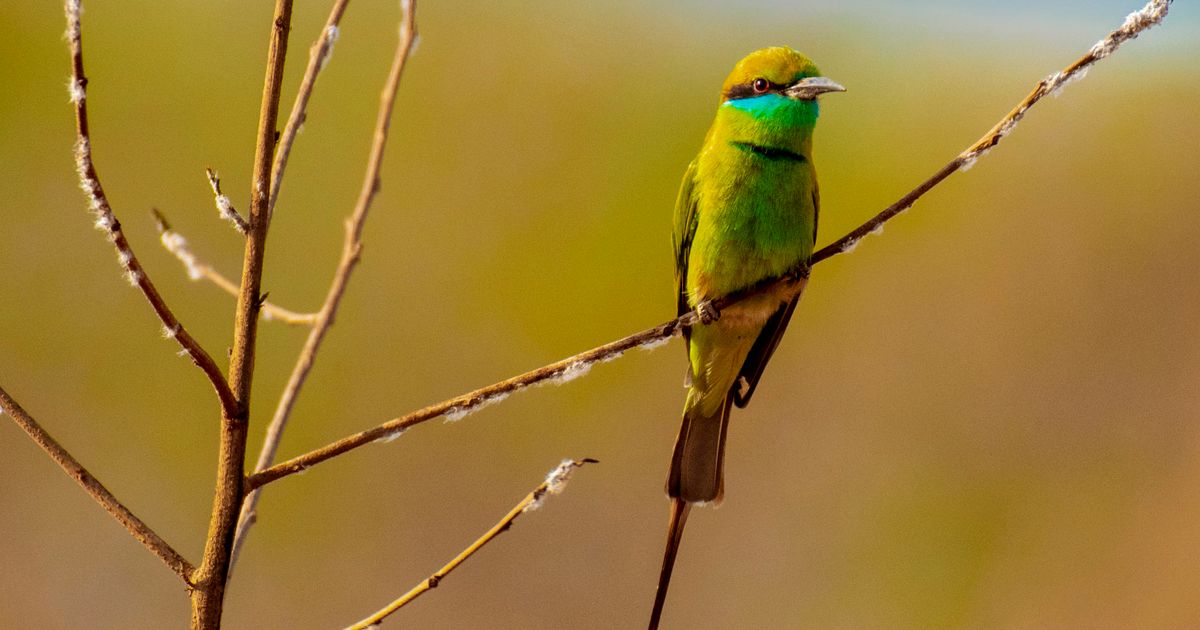
- Bee-eaters, Among the most colorful birds on Earth, often seen perched on wires and branches
- Hornbills, Charismatic and varied, from small forest species to the massive Ground-Hornbill
- Weavers, Intricate nest-builders, often seen in colonies of hundreds
- Turacos, Forest birds with unique red and green pigments found only in this family
- Raptors, Africa has the richest raptor diversity on Earth
Practical Planning
- Hire local birding guides, their knowledge of species locations is irreplaceable
- East and Southern Africa have well-established birding tourism infrastructure
- Dry seasons generally offer better birding visibility and animal/bird concentrations at water
- Bring high-quality optics, bright tropical light and dark forest interiors demand good glass
- Check visa, vaccination, and malaria prophylaxis requirements well in advance
Conservation Matters
African bird populations face threats from habitat loss, agricultural expansion, and climate change. Birding tourism provides economic incentive for habitat protection. Choose operators and lodges that invest in conservation and employ local communities. Your birding trip has real conservation impact.
Published by the Birdwatching Advice editorial team. Published January 7, 2026. Updated March 18, 2026.
Editorial responsibility: see Imprint.
Spotted an error or have something to add? corrections@birdwatchingadvice.com
Spot More Birds
Weekly birding tips, migration alerts, and identification guides straight to your inbox.
🎁 Free bonus: Backyard Birding Checklist (PDF)
You might also like

Explore more
All articles on Birdwatching Advice →