Birding Open Meadows: How to Find Grassland Birds Before They Disappear
This article may contain affiliate links. If you make a purchase through these links, we may earn a small commission at no extra cost to you. This helps us keep creating free content.

The Quiet Crisis in Open Fields
If you have been birding for a while, you may have noticed something troubling without being able to name it. The fields feel emptier. The meadows that once rang with the bubbling song of Bobolinks or the whistled phrases of Eastern Meadowlarks seem quieter every year. You are not imagining it. Grassland birds have declined more steeply than any other group of North American birds over the past fifty years, losing nearly half their total population.
That makes birding open meadows both urgent and deeply rewarding. Every singing Dickcissel, every Grasshopper Sparrow buzzing from a fence post, every Upland Sandpiper standing tall in a hayfield represents something increasingly rare. Finding these birds takes a different approach than woodland birding, and the skills you develop here will sharpen your overall field craft in ways you might not expect.
What Makes Grassland Birding Different
In a forest, you look up and listen for movement in the canopy. In a grassland, you look across and listen for songs rising from the ground. The birds here are shaped by wide-open space: many are streaky brown for camouflage, reluctant to fly until nearly stepped on, and more easily heard than seen. Your binoculars will spend more time pointed at fence posts, utility wires, and the tops of tall grass stems than at tree branches.
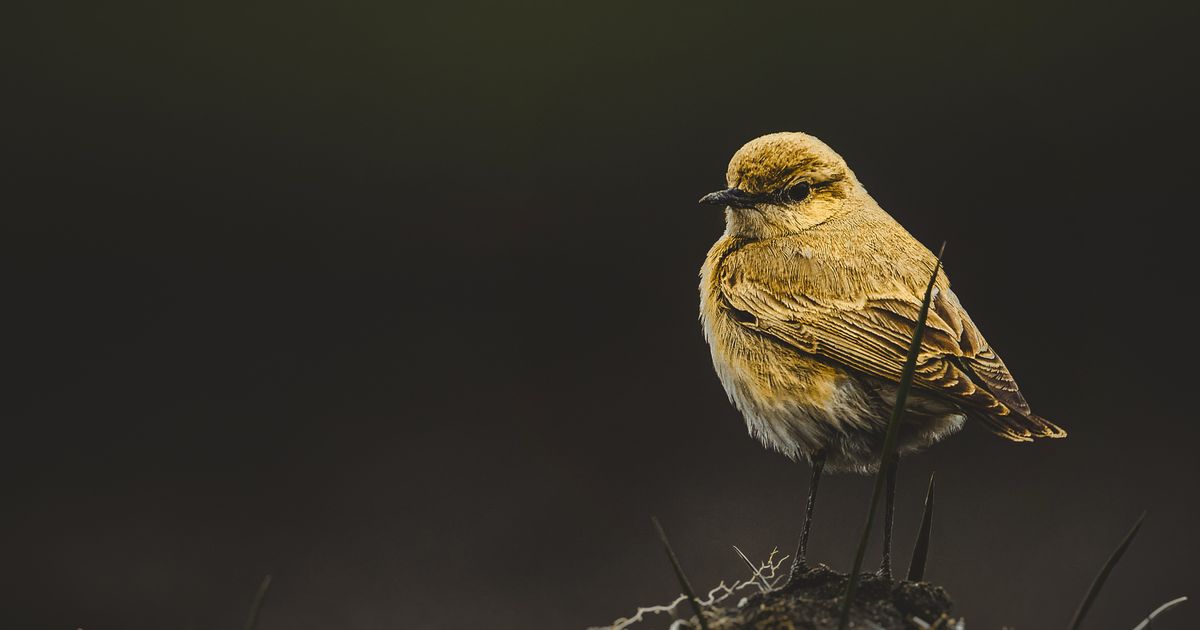
Patience matters more here than in almost any other habitat. A grassland sparrow that drops into the grass after a brief song may not resurface for several minutes. Rushing forward will only push it farther away. Instead, find a comfortable spot where you can see a good stretch of field, sit down or stand still, and let the meadow reveal itself to you.
Where to Find Grassland Habitat
Not all open fields hold grassland birds. Mowed lawns, golf courses, and recently plowed agricultural fields are generally poor. What you want are fields with standing grass at least knee-high, ideally with a mix of native grass species and scattered wildflowers. Here are the best places to look:
- National Wildlife Refuges: Many NWRs manage grassland units specifically for breeding birds. Check refuge websites for prairie or grassland management areas.
- State wildlife management areas: These often include warm-season grass plantings maintained with controlled burns, which create ideal habitat.
- Hay fields (before first cutting): Active hay fields in late May and June can hold Bobolinks, Savannah Sparrows, and Meadowlarks. After the first mowing, birds scatter.
- Reclaimed strip mines: In parts of the Midwest, reclaimed mining land has become some of the best remaining grassland habitat. Henslow's Sparrows thrive in these areas.
- Airport margins: The grassy buffers around small regional airports sometimes hold surprising grassland species, though access may be restricted.

Species to Know
Eastern and Western Meadowlark
These are often the first grassland birds you will notice because they perch prominently and sing loudly. The bright yellow breast with a black V is unmistakable. Separating Eastern from Western requires listening carefully to their songs, which differ dramatically despite the birds looking nearly identical. Eastern Meadowlarks give a clear, whistled see-you, see-yeeeer. Western Meadowlarks produce a complex, gurgling, flute-like series of notes.
Bobolink
The male Bobolink in breeding plumage is bizarre and beautiful: black below, pale above, with a golden nape. No other North American songbird wears this reversed color pattern. They sing a frantic, bubbling flight song that sounds like a robot dialing a phone. Bobolinks nest in hay fields and tall grass prairies, making them vulnerable to early mowing.
Grasshopper Sparrow
This tiny sparrow delivers a thin, insect-like buzz from the top of a grass stem that is easy to dismiss as an actual grasshopper. Once you learn the song, you will be surprised how common they are in suitable habitat. They have a flat-headed appearance, an unstreaked buffy breast, and a subtle orange-yellow spot in front of the eye.
Henslow's Sparrow
The holy grail for many grassland birders. Henslow's Sparrow delivers the least impressive song of any bird: a single hiccupping tsi-lick that lasts about half a second. Finding one requires standing in a large, dense grassland and listening carefully for that pathetic little hiccup. When you finally spot one perched on a dead stem, the olive head and streaked breast reward your patience.

Field Craft for Open Country
Grassland birding demands different gear and tactics than other habitats. Here is what works:
- Wear earth tones: You are completely exposed in a meadow. Bright clothing will cause birds to flush at greater distances.
- Bring a camp stool: Sitting low to the ground makes you less threatening and more comfortable during the long waits that grassland birding requires.
- Use your car as a blind: Many grassland birds tolerate vehicles far better than people on foot. Drive slowly along rural roads bordering fields and scan from your window.
- Check fence posts and wires: Grassland birds need elevated song perches, and human structures serve perfectly. Scan every fence post systematically.
- Sunscreen and water: There is no shade in a meadow. Dehydration and sunburn are real risks during summer morning birding sessions.
Why This Matters
Grassland habitat is vanishing. Conversion to row crops, suburban development, and changes in hay-mowing schedules have eliminated vast stretches of the breeding habitat these birds need. When you take the time to find and appreciate grassland birds, you become part of the community that notices their decline and advocates for their protection. Your eBird checklists from meadow visits contribute data that conservation organizations use to identify and protect critical habitat.
Plan your grassland birding trips around peak migration periods using our Migration Tracker, which shows when Bobolinks and other grassland species move through your area.
Published by the Birdwatching Advice editorial team. Published November 23, 2026.
Editorial responsibility: see Imprint.
Spotted an error or have something to add? corrections@birdwatchingadvice.com
Spot More Birds
Weekly birding tips, migration alerts, and identification guides straight to your inbox.
🎁 Free bonus: Backyard Birding Checklist (PDF)
You might also like

Explore more
All articles on Birdwatching Advice →