Building a Simple Bird Blind in Your Yard (Weekend Project Guide)
This article may contain affiliate links. If you make a purchase through these links, we may earn a small commission at no extra cost to you. This helps us keep creating free content.

Why Birds Act Differently When You Disappear
You have probably noticed this: when you sit on your porch watching the feeder, birds land cautiously, grab a seed, and flee. But when you watch from behind a window, they linger, preen, interact with each other, and behave as if no one is watching. The difference is not your presence, it is your visible human shape. Birds recognize the human silhouette as a potential threat, and even the tamest feeder birds stay on alert when they can see you.
A bird blind hides your shape while keeping you close enough to observe natural behavior and take photographs that would be impossible otherwise. Building one is simpler than you might think, and the results are immediate. The first time a chickadee lands three feet from your face because it cannot see you, you will understand why serious birders and photographers swear by blinds.
Choosing Your Location
Wagner's Songbird Supreme 8 lb Wild Bird Food
50% sunflower, peanuts, safflower, white millet, no filler, attracts cardinals, finches, chickadees and grosbeaks.
As an Amazon Associate we earn from qualifying purchases.
Spend a week watching your yard before you build. Note where birds land most frequently, what direction they approach from, and where the light is best at the times you usually bird. Placing a blind twenty feet from your busiest feeder, with the sun behind or beside you in the morning, is the sweet spot for most backyard setups.

Three Blind Designs for Any Budget
Design 1: The PVC Frame Blind (Under Forty Dollars)
This is the most popular DIY blind because it is cheap, lightweight, and easy to disassemble for storage. You need about twenty feet of half-inch PVC pipe, eight elbow connectors, four T-connectors, and a piece of camouflage fabric or burlap large enough to drape over the frame.
Build a simple rectangular frame about four feet wide, three feet deep, and five feet tall. The PVC slides together without glue, which means you can break it down in minutes. Drape the fabric over the frame and secure it with binder clips or zip ties. Cut viewing slots at eye level, one large slot for binoculars or a camera lens, and a couple of smaller peep holes at different heights.
Design 2: The Pallet Blind (Under Twenty Dollars or Free)
If you can get your hands on two or three wooden pallets, check behind grocery stores, hardware stores, or on local marketplace listings, you can build a surprisingly sturdy permanent blind. Stand two pallets upright in an L-shape or U-shape, secure them together with screws or zip ties, and weave natural vegetation, burlap, or camo netting through the slats.
Pallet blinds blend into garden edges beautifully, especially once you weave in some clippings from nearby shrubs. They weather naturally and become part of the landscape within a few weeks. The gaps between pallet boards serve as natural viewing slots, and you can widen specific gaps with a saw to create camera ports.

Design 3: The Living Blind (Free, But Takes a Season)
Plant a curved row of fast-growing shrubs, privet, dogwood, or native viburnum, in a C-shape, leaving an opening at the back for entry. Within one growing season, you have a living blind that provides cover, produces berries that attract birds, and looks like a natural part of your landscape rather than a structure.
The living blind is the best long-term solution because it actually improves your habitat while hiding you. Birds nest in the shrubs, feed on the berries, and perch on the branches. Your blind becomes a destination rather than just a hiding spot. The trade-off is patience, you need one full growing season before the plants provide enough cover to be effective.
Setting Up for Photography
If photography is your goal, add a few refinements to your basic blind. Cut a horizontal slot about six inches tall and eighteen inches wide at a height that matches your camera on a tripod. Line the edges of the slot with dark fabric to prevent lens glare. Inside the blind, create a small shelf or platform to hold extra batteries, memory cards, and a water bottle.
Place a natural perch, a weathered branch, a section of driftwood, or a mossy log, between your blind and the feeder, about eight to twelve feet from your camera lens. Birds will land on this perch before and after visiting the feeder, giving you a clean, natural background for portraits rather than a metal feeder in every shot.
Behavior You Will See From a Blind
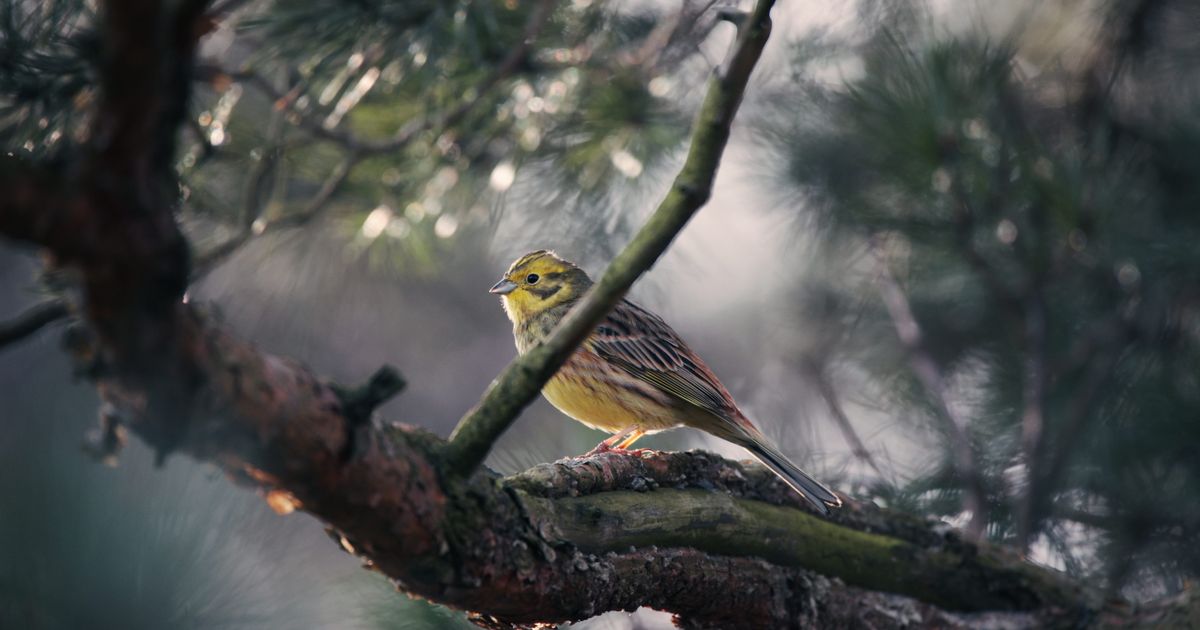
The first thing you notice from inside a blind is how much behavior you have been missing. Birds that seemed identical at a distance reveal individual personalities up close. You will see dominance displays at the feeder, courtship feeding between mates, juvenile birds begging from parents, and territorial disputes that play out in body language too subtle to catch from a distance.
Maintaining Your Blind
Fabric blinds need periodic inspection for weather damage and mildew. Tighten any loose attachments after storms. Replace burlap that has rotted through, it usually lasts one to two seasons before needing replacement. PVC frames are essentially maintenance-free; just check that connections are snug.
Pallet blinds benefit from an annual re-weaving of natural material through the slats as old vegetation dries out and thins. A fresh layer of cut branches in early spring restores full concealment before nesting season begins.
Test what you know about the birds visiting your blind with our Bird Identifier Quiz, and use the Migration Tracker to anticipate when new species might appear at your feeding station during spring and fall movements.
Published by the Birdwatching Advice editorial team. Published July 13, 2026. Updated October 4, 2026.
Editorial responsibility: see Imprint.
Spotted an error or have something to add? corrections@birdwatchingadvice.com
Spot More Birds
Weekly birding tips, migration alerts, and identification guides straight to your inbox.
🎁 Free bonus: Backyard Birding Checklist (PDF)
You might also like

The Only Hummingbird Nectar Recipe You Will Ever Need (Plus What to Avoid)

3 Layers Every Bird-Friendly Yard Needs (and Most Are Missing One)
Feeders are great, but birds need more than sunflower seeds. Discover how layering ground cover, shrubs, and canopy trees transforms a basic yard into a bird magnet.
What to Feed Birds in Every Season: A Month-by-Month Guide
Explore more
All articles on Birdwatching Advice →