Working Through Winter Sparrow Flocks: A Calm Approach to Tricky Identification
This article may contain affiliate links. If you make a purchase through these links, we may earn a small commission at no extra cost to you. This helps us keep creating free content.

The Brown Bird Problem
It happens every winter. You find a weedy field edge or brushy hedgerow alive with small brown birds hopping and scratching in the leaf litter. There might be thirty, fifty, or a hundred sparrows in a loose flock, and at first glance they all look the same: streaky brown above, pale below, moving in quick hops that make sustained binocular views frustratingly brief. The temptation is to glance at the flock, mutter little brown birds, and walk away.
Do not do that. Winter sparrow flocks are one of the most rewarding puzzles in birding, and the skills you build working through them will make you a better birder in every season. Most winter flocks contain multiple species, sometimes six or seven, each with distinct field marks that become clear once you know where to look. All you need is a systematic approach and a willingness to slow down.
The Setup: Find the Right Spot
The Sibley Guide to Birds
Comprehensive North American field guide for identifying birds.
As an Amazon Associate we earn from qualifying purchases.
Winter sparrow flocks favor edges: the border between a field and a hedgerow, the brushy margin of a trail, the weedy strip along a fence line, or the thickets beside a creek. Seeds are the draw. Sparrows spend their winter days foraging through dried seed heads, scratching through leaf litter, and picking at fallen grain. Find a productive edge habitat, stand still or sit on a camp stool, and let the flock come to you.
The best strategy is to position yourself where birds will move into open ground to feed. A gap in the brush where sparrows hop onto bare dirt, a patch of bare ground beneath a feeder, or a stretch of trail where birds cross between thickets. Set up with good light at your back and wait. Within minutes, individual birds will separate from the mass and give you the clear views you need.
The Four-Step Sparrow ID Method
When you get a clear look at a sparrow, work through these four features in order. Together, they will identify nearly every species you encounter.
Step 1: Breast Pattern
Is the breast clean and unstreaked, or does it show streaks, spots, or a central dot? This single question splits winter sparrows into two major groups. White-throated Sparrow, White-crowned Sparrow, Dark-eyed Junco, American Tree Sparrow, and Fox Sparrow (depending on form) tend to have unstreaked or lightly marked breasts. Song Sparrow, Savannah Sparrow, Lincoln's Sparrow, and Swamp Sparrow show breast streaking of varying intensity.
Step 2: Head Pattern
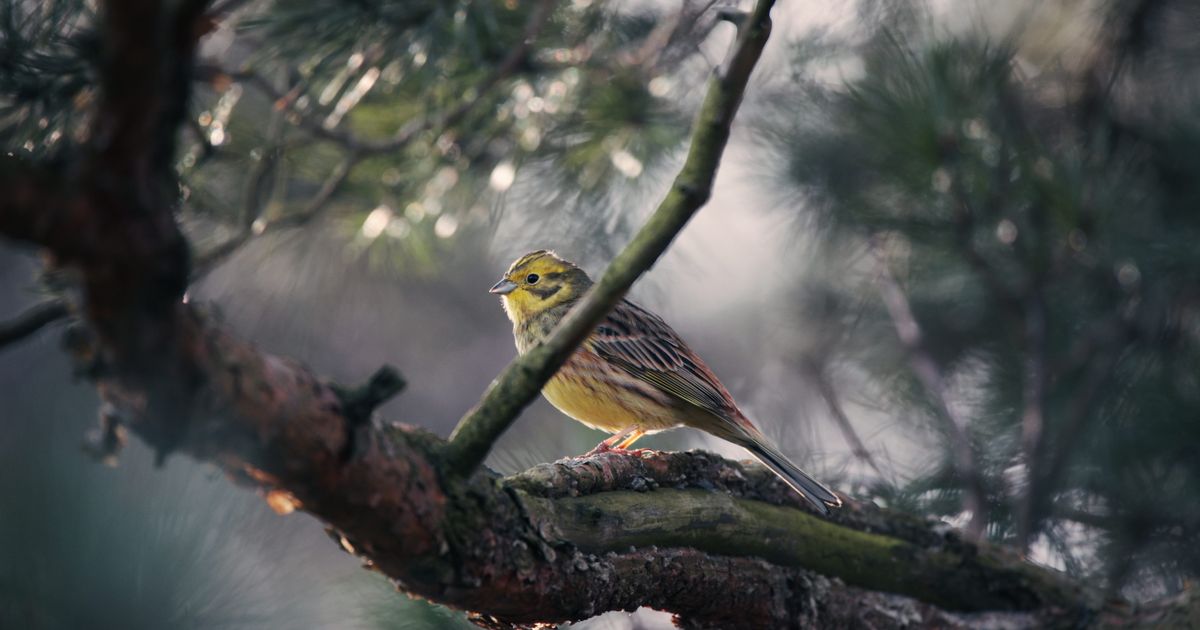
Sparrow heads are packed with field marks. Look for crown stripes, eyebrow (supercilium) color, eye ring presence, and moustache or malar stripe. White-throated Sparrows have bold black-and-white or black-and-tan crown stripes with a yellow spot between the eye and bill. White-crowned Sparrows show crisp black-and-white crown stripes without the yellow spot. Song Sparrows have a gray central crown stripe bordered by brown. These head patterns are visible even in brief views.
Step 3: Overall Color Tone
After breast and head, consider the bird's general warmth or coolness. Fox Sparrows are richly rufous. Song Sparrows are warm brown. Lincoln's Sparrows have a buffy wash across the breast with fine streaks. Dark-eyed Juncos are slate gray. Savannah Sparrows look cold and pale. This overall impression narrows your options when you cannot see fine details.
Step 4: Behavior and Habitat
Where in the flock is the bird, and what is it doing? Juncos feed on open ground and flash white outer tail feathers when they fly. White-throated Sparrows scratch in leaf litter with a distinctive double-footed hop-scratch. Swamp Sparrows stay low in wet, marshy edges. Song Sparrows pump their tails in flight. These behavioral cues often clinch an identification when visual marks are ambiguous.
The Common Cast of Characters
Dark-eyed Junco
Often the most abundant bird in a winter sparrow flock. Slate gray above with a white belly and bright white outer tail feathers that flash conspicuously when flushed. The pink bill is a quick field mark. Juncos typically feed on the ground at the edges of the flock, slightly away from the thickest cover.
White-throated Sparrow
A large, handsome sparrow with bold head stripes and a clean white throat patch bordered by gray breast. The yellow lores (spot between eye and bill) are visible at surprising distances. Their whistled song, Oh-sweet-Canada-Canada, occasionally breaks out even in midwinter. They prefer to feed in brushy cover and leaf litter.

Song Sparrow
The benchmark sparrow. Medium-sized, brown-streaked, with a central breast spot where the streaks converge. Long, rounded tail that pumps up and down in flight. Song Sparrows are found in virtually every brushy habitat across the continent and are often the most reliable species in any winter flock. Learn this bird thoroughly and use it as your comparison standard for everything else.
Fox Sparrow
The largest common sparrow, richly colored in rufous or chocolate tones depending on region. Fox Sparrows scratch vigorously in leaf litter using a dramatic two-footed lunge that sends leaves flying. When you hear loud scratching sounds in dry leaves, look for the big, rusty sparrow doing the digging. The heavily spotted breast and warm coloring are distinctive once seen.
The Uncommon Surprises
Part of the magic of winter sparrow flocks is that careful scanning can reveal uncommon or rare species hiding among the common ones. Harris's Sparrow, with its black face and crown, occasionally appears far from its usual range. Lincoln's Sparrow, a skulker with fine breast streaks and a buffy wash, is often overlooked because it hides deep in cover. American Tree Sparrows bring a bicolored bill and a breast dot to northern and central flocks.
Every bird in the flock deserves a look. The more carefully you scan, the more likely you are to find something unexpected.
Test your sparrow identification skills with our Bird Identifier Quiz, and check winter species distribution with the Migration Tracker to know which sparrows to expect in your area this season.
Published by the Birdwatching Advice editorial team. Published November 28, 2026.
Editorial responsibility: see Imprint.
Spotted an error or have something to add? corrections@birdwatchingadvice.com
Spot More Birds
Weekly birding tips, migration alerts, and identification guides straight to your inbox.
🎁 Free bonus: Backyard Birding Checklist (PDF)
Explore more
All articles on Birdwatching Advice →