Birding in the Rain: Why Bad Weather Can Mean Great Birds
This article may contain affiliate links. If you make a purchase through these links, we may earn a small commission at no extra cost to you. This helps us keep creating free content.

The Secret Most Birders Miss
When rain starts falling, most birders pack up and head home. The trails empty, the parking lots clear, and the birding forums go quiet. But here is what experienced birders know: some of the best birding happens in wet weather. Rain changes bird behavior in ways that work in your favor, pushes unusual species into accessible areas, and clears out the human competition entirely.
You do not need to stand in a downpour for hours. Even a light drizzle or the period immediately after a storm can produce remarkable birding. The key is understanding why rain changes the game and preparing yourself to take advantage of it.
Why Rain Makes Birds More Visible
Rain drives insects down from the canopy to lower vegetation and the ground. Insectivorous birds follow their food, which means warblers, vireos, and flycatchers that normally forage at treetop level suddenly appear at eye height or below. Species you normally see as tiny silhouettes against the sky become close, cooperative, and identifiable.
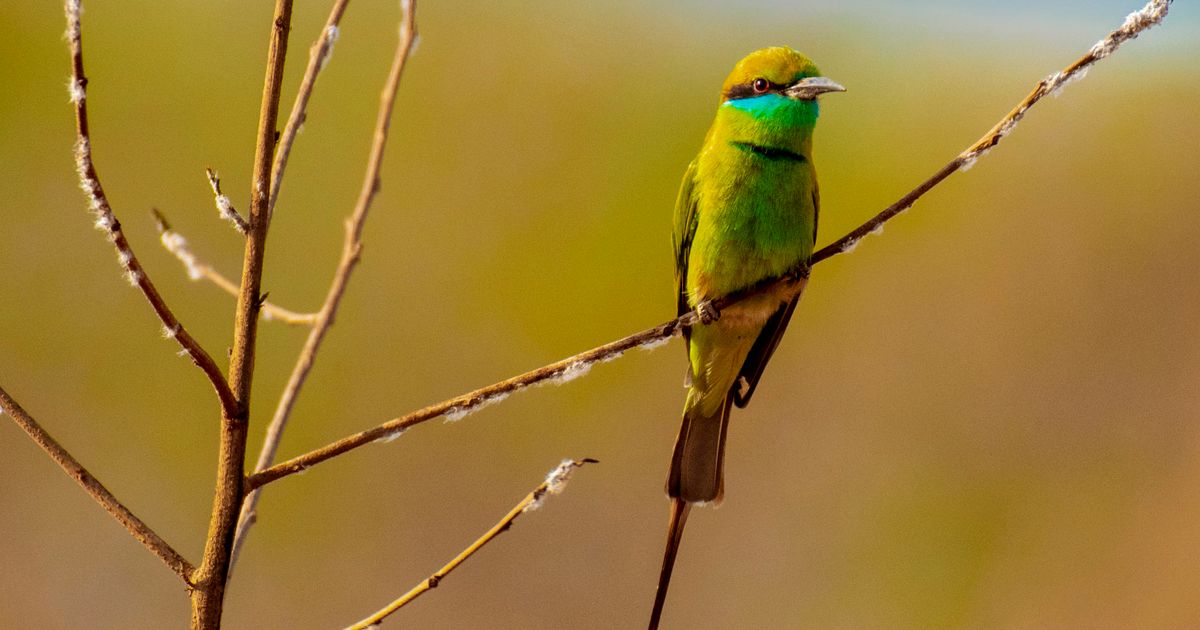
Earthworms surface during rain, drawing thrushes, robins, and other ground-feeding birds into the open. Woodcocks probe saturated soil for worms and may be visible on lawns and field edges where you would never see them in dry conditions. Shorebirds concentrate at flooded fields and overflowing ponds that did not exist the day before, creating temporary hotspots that can hold surprising diversity.
Gear That Makes Rain Birding Comfortable
The reason most people skip rain birding is discomfort, not lack of interest. Solve the gear problem and you remove the barrier.
Start with your optics. Modern binoculars from reputable manufacturers are waterproof and fog-proof, but rain on the lenses is still the biggest practical problem. Carry a lens cloth in a ziplock bag where it stays dry. Rain guards, those rubber covers that hang from the binocular strap and flip over the eyepieces, are essential in steady rain. Between observations, flip them up and your eyepieces stay clear. Some birders swear by a baseball cap worn under a rain jacket hood: the brim keeps rain off the eyepieces while you are actively looking.

For clothing, a breathable waterproof jacket is non-negotiable. Look for one with a hood that has a stiff brim. Waterproof pants matter more than most people realize because wet legs in cool weather drain your body heat fast. Waterproof boots are obvious. Avoid cotton everything: cotton absorbs water, holds it against your skin, and makes you miserable.
Protecting Your Phone and Camera
Your phone goes in a waterproof case or a ziplock bag with the touchscreen still responsive through the plastic. For cameras, a rain sleeve is an inexpensive plastic cover that fits over a camera and lens with a drawstring at one end and a clear window for the viewfinder. They cost a few dollars and save thousands in equipment damage. For digiscoping through a spotting scope in rain, an umbrella clamped to the scope tripod works better than any cover.
Where to Bird in the Rain
Not every birding spot works well in wet weather. Dense forest trails become muddy and slippery, and canopy drip makes it hard to hear. Instead, focus on these productive rain-birding habitats.
Sheltered edges work best. Think about the leeward side of a tree line, the edge of a parking lot next to woods, a covered bridge or observation platform at a wildlife refuge, or your car parked at a known birding spot. Birds seek the same shelter you do, which concentrates them along protected edges and makes them easier to find.

Feeders become hyperactive in rain. If you have a home feeding station, rainy mornings can produce your biggest bird counts as species that normally forage elsewhere come to the reliable food source. Sit by a window with your binoculars and enjoy the show.
Shorelines and mudflats after rain events draw unexpected visitors. Flooded agricultural fields can attract everything from Pectoral Sandpipers to American Golden-Plovers. Check any low-lying area that floods temporarily, these ephemeral wetlands can be some of the most productive birding spots you will ever find.
Rain and Migration: The Perfect Storm
Rain during spring or fall migration creates conditions that experienced birders actively seek out. Strong frontal systems with rain and north winds during fall migration push southbound migrants down to low altitudes and force them to stop. The morning after such a front passes is prime time for fallout birding.
In spring, warm fronts with light rain often carry massive numbers of northbound migrants. These birds may not stop if the rain is light, but they fly lower than usual, making visible migration watching productive. Find a ridgeline or elevated viewpoint and scan the sky: you may see streams of warblers, tanagers, and thrushes passing overhead at treetop level.

Coastal areas during rain events can produce rare seabirds pushed close to shore by storm winds. Pelagic species like jaegers, shearwaters, and storm-petrels sometimes appear at beaches and headlands during and after strong storms. These are the sightings that become the stories you tell for years.
Safety First
Rain birding has real hazards that deserve respect. Lightning is the most serious: if you hear thunder, get to a vehicle or substantial building immediately. No bird is worth a lightning strike. Avoid elevated ridgelines, open fields, and isolated trees during thunderstorms.
Hypothermia is a sneaky risk in cool rainy weather, especially if you are standing still. Dress in layers, bring a thermos of hot tea or coffee, and know when to call it. Slippery trails and riverbanks are more dangerous in rain: stick to paved paths or well-maintained trails, and use trekking poles for stability on slopes.
The Bottom Line
Rain birding is not about suffering through bad weather. It is about understanding that the birds do not stop being active and interesting just because you are getting wet. They adapt, they concentrate in accessible spots, and they behave in ways you do not see on sunny days. With the right gear and the right expectations, a rainy morning can be the most memorable birding you do all season.
Next time the forecast shows rain on a weekend morning, resist the urge to sleep in. Layer up, grab your waterproof binoculars, and head to your local patch. The birds will be there, and for once, you might have them all to yourself. Test what you spot with our Bird Identifier Quiz and see how many rain-day species you can identify.
Published by the Birdwatching Advice editorial team. Published August 8, 2026. Updated August 18, 2026.
Editorial responsibility: see Imprint.
Spotted an error or have something to add? corrections@birdwatchingadvice.com
Spot More Birds
Weekly birding tips, migration alerts, and identification guides straight to your inbox.
🎁 Free bonus: Backyard Birding Checklist (PDF)
Explore more
All articles on Birdwatching Advice →