Creating a Bird-Friendly Yard: A Complete Checklist
This article may contain affiliate links. If you make a purchase through these links, we may earn a small commission at no extra cost to you. This helps us keep creating free content.

A single mature oak tree can host more than 500 species of caterpillars, the primary food that roughly 96% of North American land birds need to raise their young, according to entomologist Doug Tallamy's research at the University of Delaware. That single fact explains why a yard full of ornamental, non-native shrubs can look green and lush while producing almost no food for nesting birds. Turning a yard into genuine bird habitat is less about buying more feeders and more about rebuilding the food web the feeders are meant to supplement.
1. Layer the vegetation, not just the flower beds
Birds use height the way humans use floor plans. Ground cover (leaf litter, low grasses) shelters towhees and sparrows; shrub layer (3-8 feet) holds cardinals, catbirds, and wrens; the canopy holds warblers, vireos, and tanagers. A yard with only a lawn and a single ornamental tree offers one layer. Adding even a modest shrub border, native viburnum, serviceberry, or elderberry, adds an entire nesting stratum most suburban yards are missing.
2. Water is the single most reliable draw
A birdbath at 2-3 inches deep with a gently sloped edge outperforms almost any feeder for species diversity, because every bird needs to drink and bathe regardless of diet. Moving water, a drip, a small pump, even a plastic milk jug with a pinhole dripping into a saucer, pulls in species that ignore still water, including warblers that rarely visit seed feeders at all.

3. Match feeder type to the birds you want
| Feeder type | Food | Typical visitors |
|---|---|---|
| Tube feeder | Black-oil sunflower | Chickadees, finches, nuthatches |
| Platform feeder | Mixed seed | Jays, cardinals, doves |
| Suet cage | Suet cake | Woodpeckers, nuthatches, wrens |
| Nyjer sock | Nyjer/thistle | Goldfinches, siskins |
4. Leave the leaf litter and seed heads through winter
A tidy fall cleanup removes exactly the resources birds need most in the lean months: leaf litter hides overwintering insects that towhees and thrashers forage for, and standing seed heads on coneflower, black-eyed Susan, and native grasses feed finches and sparrows straight through winter. Delaying the final cleanup until late spring costs nothing and adds a full season of forage.
5. Reduce window strikes
The American Bird Conservancy estimates that up to 1 billion birds die from window collisions in the U.S. each year, and a bird-friendly yard that draws more birds in without addressing glass can do more harm than good. External screens, dot patterns spaced 2 inches apart, or angled glass all break up reflections; moving feeders either within 3 feet of a window (so birds can't build up collision speed) or more than 30 feet away reduces strikes significantly.
6. Skip the pesticides
Lawn and garden insecticides remove the caterpillars, beetles, and spiders that nestlings are fed almost exclusively for their first two weeks of life. A yard sprayed for a "pest-free" lawn is, from a bird's perspective, a yard with no nursery food at all.

7. Provide nesting structure, not just food
Cavity-nesters like chickadees, bluebirds, and house wrens have lost natural nest sites to development and tidy tree removal. A properly sized nest box, entrance hole diameter matched to the target species, mounted 5-10 feet high and away from feeder traffic, fills that gap directly.
8. Keep cats indoors
The Smithsonian's Migratory Bird Center and the U.S. Fish and Wildlife Service estimate that outdoor and feral cats kill an estimated 1.3 to 4 billion birds annually in the U.S. alone, making cat predation one of the largest human-linked causes of bird mortality, larger than window strikes or vehicle collisions combined. Every other item on this checklist matters less if cats have free run of the yard.
Quick-start checklist
- Add one native shrub layer (viburnum, serviceberry, elderberry)
- Install a shallow water source, ideally with movement
- Match feeder type to target species using the table above
- Leave seed heads and leaf litter until late spring
- Break up window reflections near feeders
- Stop or reduce lawn/garden pesticide use
- Add one appropriately sized nest box
- Keep cats indoors or in a supervised outdoor enclosure ("catio")
None of these steps require a large property or a big budget, a balcony with one native shrub in a pot and a shallow saucer of water follows the same principles as a quarter-acre yard. The birds that show up are a direct read-out of how many of these food, water, and shelter layers are actually present, which is why two yards of the same size in the same neighborhood can have wildly different bird activity.
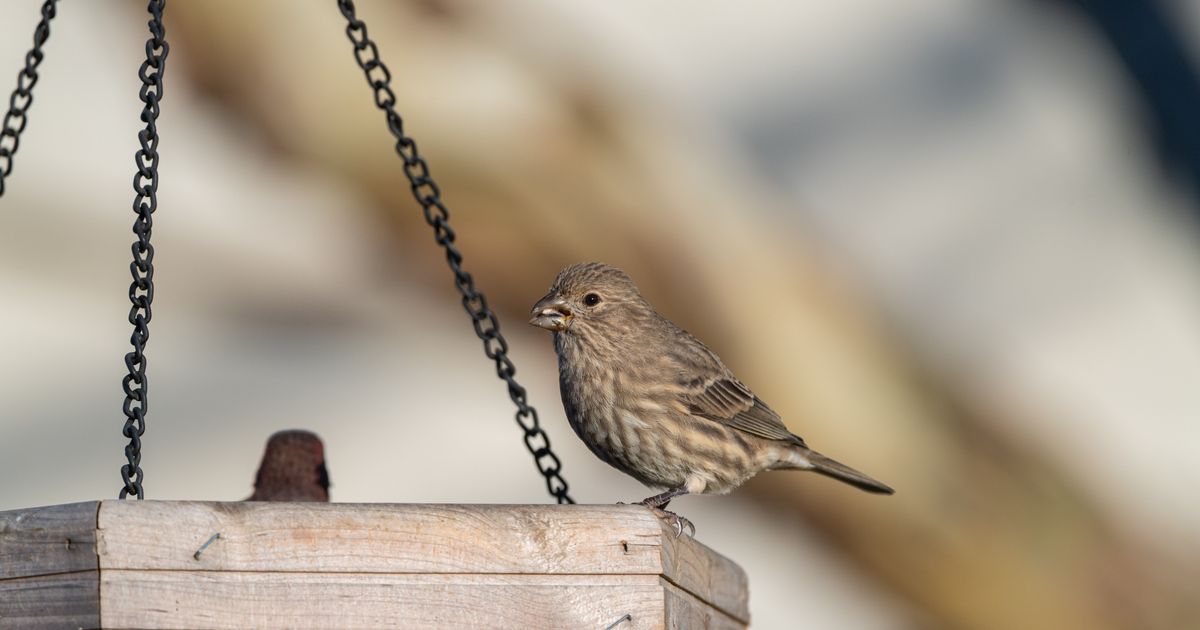
Seasonal timing for the highest-impact changes
Not every item on the checklist matters equally in every season. Spring (March-May) is when nest boxes need to be up and cleaned out before cavity-nesters start scouting sites, a box installed in June has largely missed that year's nesting window. Summer is when water matters most, since natural sources often dry up during heat waves precisely when nestlings need the most hydration. Fall is the best time to plant new native shrubs, giving root systems a full season to establish before the following spring's nesting rush. Winter is when feeders carry the most weight, since natural seed and insect availability drops to its lowest point of the year.
| Season | Highest-priority task |
|---|---|
| Spring | Clean and mount nest boxes before scouting begins |
| Summer | Keep water sources filled and clean during heat |
| Fall | Plant native shrubs and trees; delay cleanup |
| Winter | Maintain feeders through the leanest food months |
What "certified" habitat programs actually check for
Programs like the National Wildlife Federation's Certified Wildlife Habitat and Audubon's Bird-Friendly Community initiatives evaluate yards against a similar core list: food sources (native plants preferred over feeders alone), water, cover, and places to raise young. A yard doesn't need formal certification to benefit birds, but the criteria those programs use are a useful cross-check against this checklist, if a yard would pass a certification review, it's very likely doing right by the birds using it regardless of whether the paperwork is filed.
Common mistakes that undo good intentions
- Buying a "wildflower mix" without checking origin: Many commercial mixes are dominated by non-native or even invasive species that offer little insect value despite looking pollinator-friendly.
- Mulching too heavily or too early: Thick mulch applied before ground-nesting native bees emerge in spring can smother nest sites, reducing the insect food supply birds depend on.
- Placing feeders directly against a window: A feeder mounted less than 3 feet from glass, without the reflection-breaking treatments mentioned above, remains one of the most preventable causes of window strikes.
- Treating the whole yard uniformly: A single applied approach, all lawn, or all mulch beds, misses the layered structure that supports the widest range of species; variety within a yard matters as much as any single feature.
Balcony and small-space adaptations
Renters and apartment dwellers can apply the same principles at a much smaller scale: a single native shrub or perennial in a large pot substitutes for a shrub layer, a shallow saucer refreshed daily substitutes for a birdbath, and a small suet cage mounted to a railing substitutes for a yard feeder. The underlying logic, food, water, shelter, safety from glass and predators, scales down without losing effectiveness, which is why urban balconies and courtyards regularly report surprising bird diversity during migration seasons.
Published by the Birdwatching Advice editorial team. Published May 18, 2026.
Editorial responsibility: see Imprint.
Spotted an error or have something to add? corrections@birdwatchingadvice.com
Spot More Birds
Weekly birding tips, migration alerts, and identification guides straight to your inbox.
🎁 Free bonus: Backyard Birding Checklist (PDF)
You might also like

Bird Window Collisions: How to Prevent Them
Learn about bird, window, collision, prevention in this comprehensive how-to.

Bird Nest Identification: Common Types You Might Find
Learn about bird, nest, identification, cup in this comprehensive guide.

Understanding Bird Behavior Patterns in Your Backyard
Learn about bird, behavior, feeding, flocking in this comprehensive explainer.
Explore more
All articles on Birdwatching Advice →