Fall Migration: What to Expect and Where to Look
This article may contain affiliate links. If you make a purchase through these links, we may earn a small commission at no extra cost to you. This helps us keep creating free content.

There's something deeply rewarding about fall bird migration.
Getting Started with Fall Migration
Before diving into specifics, it helps to understand the basics. fall knowledge builds over time, and each outing teaches you something new. The key is to start with what's common in your area and expand from there.
Many birders find that focusing on habitat preferences helps narrow down species quickly. Woodland birds behave differently from grassland species, and understanding these patterns is half the battle.
Key Features to Look For
Happy Wings Thistle Seed Bird Food, 10 lb
Ten-pound bag of cleaned thistle seed for finch feeders.
See on Amazon →When observing birds related to fall bird, focus on size, shape, color pattern, and behavior. These four characteristics will help you narrow down most species within seconds.
Size comparison is especially useful. Try to compare an unknown bird to a familiar reference species like a robin, crow, or sparrow. Is it larger or smaller? Stockier or more slender?
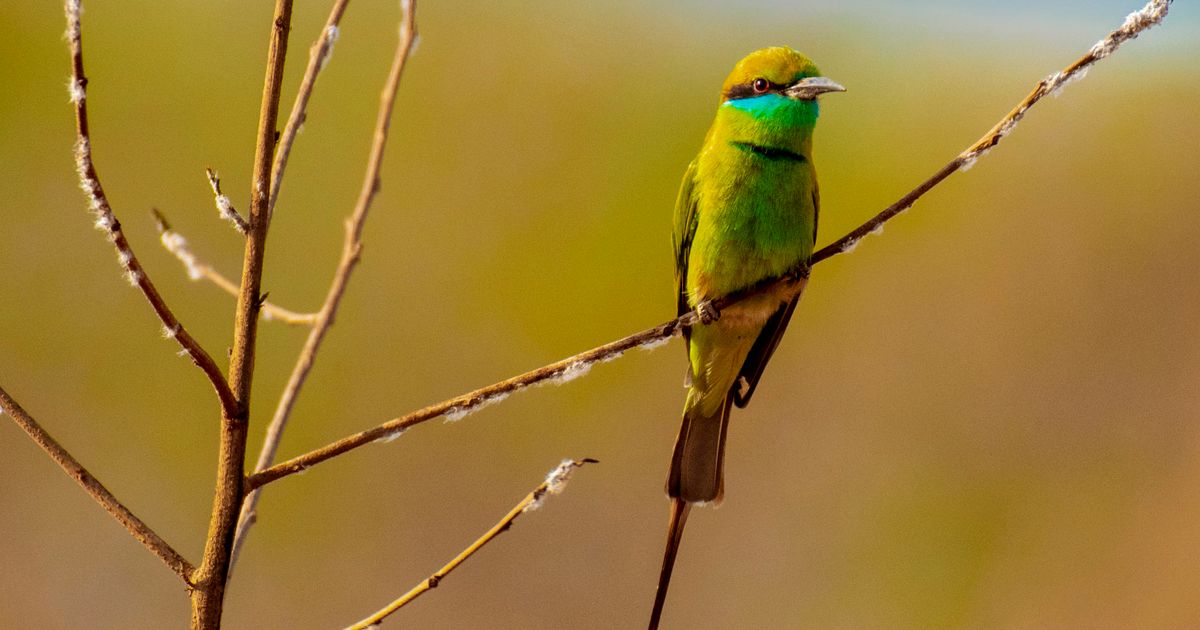
Color patterns matter, but pay attention to where the color appears. A yellow breast means something different from a yellow cap. Note any wing bars, eye rings, or tail markings as well.
Habitat and Seasonal Considerations
Understanding when and where to look is just as important as knowing what to look for. Different species prefer different habitats, and migration patterns mean the birds in your area change throughout the year.
Spring and fall migrations bring the greatest diversity, while winter and summer offer more consistent populations. Keep a calendar of expected arrivals and departures for your region.
Common Mistakes to Avoid
One of the biggest mistakes new birders make is trying to identify every bird they see immediately. Instead, focus on getting a good look and noting key features. You can always look it up later.

Another common error is relying solely on color. Lighting conditions can dramatically change how a bird appears. Shape and behavior are often more reliable identification markers than color alone.
In Summary
Fall bird migration is a topic that rewards curiosity and patience. The more you practice, the more rewarding your birding experiences become. Remember that every expert was once a beginner, and the best way to learn is simply to get outside and observe. We hope this explainer gives you the confidence to take your next step in birdwatching.
Published by the Birdwatching Advice editorial team. Published May 21, 2026. Updated September 12, 2026.
Editorial responsibility: see Imprint.
Spotted an error or have something to add? corrections@birdwatchingadvice.com
Spot More Birds
Weekly birding tips, migration alerts, and identification guides straight to your inbox.
🎁 Free bonus: Backyard Birding Checklist (PDF)
You might also like

Birding While Camping: How to Combine Two of the Best Outdoor Hobbies
Camping puts you right in the middle of bird habitat for days at a time. Here is how to make the most of it, from gear choices to the best times and strategies for campsite birding.

Bird Window Collisions: How to Prevent Them
Learn about bird, window, collision, prevention in this comprehensive how-to.

Bird Nest Identification: Common Types You Might Find
Learn about bird, nest, identification, cup in this comprehensive guide.
Explore more
All articles on Birdwatching Advice →